Food as support, not punishment.
The way you fuel your body can be one of the most powerful tools you have for energy, mood, cravings, and metabolism. We use food on purpose — not as a reward, a restriction, or something to “earn.”
A certified nutrition, lifestyle and health coach who came to this work the long way around — through a career in pediatric speech‑language pathology, a tired body, and a real, ordinary life that finally had to change.
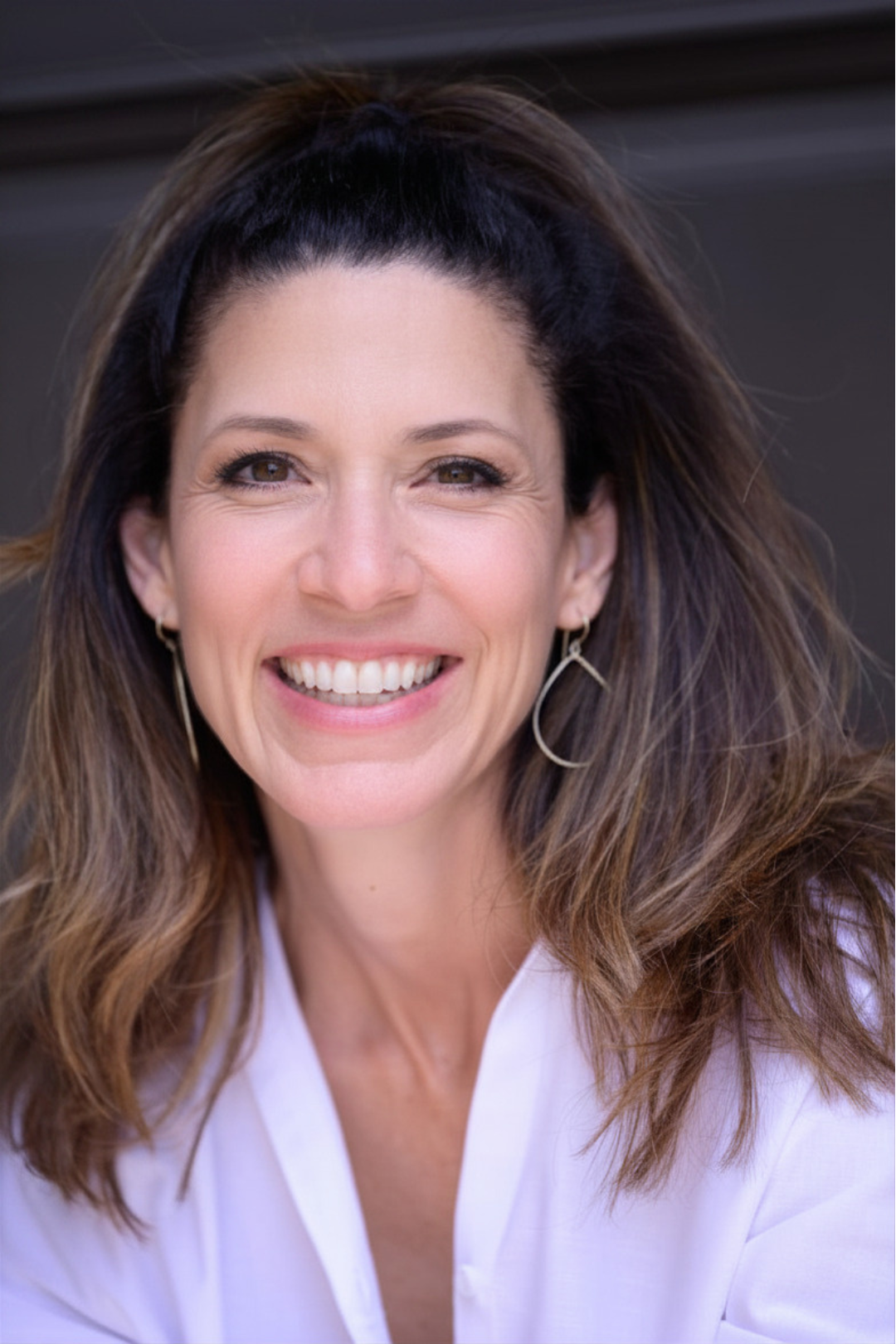
I'm Kristi. Before I became a nutrition and lifestyle coach, I was a pediatric speech-language pathologist — which is a long way of saying I spent years helping people change behavior in real life.
Not in theory. Kid by kid. Family by family. Small step by small step.
That work taught me something I now bring into wellness coaching: lasting change does not come from shame, pressure, or a perfect plan. It comes from understanding what someone needs, meeting them where they are, and building habits they can actually repeat.
For a long time, my own life looked healthy from the outside. I worked out. I showed up. I did the things.
But behind the scenes, I was foggy, exhausted, and disconnected from my body. By the time I got home, I felt done. Most nights, I would grab the chips, pour a glass of wine, and settle onto the couch — trying to shut the day off, but never really feeling restored.
Through a divorce, that pattern got louder. For a while, it felt like the only thing holding the day together.
The first thing I changed wasn't food. It was my relationship with alcohol — specifically, understanding what it was doing to my sleep, energy, mood, and ability to trust myself.
That awareness opened the door to everything else.
I first trained through the Institute for Integrative Nutrition, then continued my education through the International Coaching Academy of Nutrition and became PFC3 certified. Over time, I learned what blood sugar balance really means, what a meal that actually holds you looks like, and how much of what I had called a “willpower problem” was really a fueling and recovery problem.
Because I was one of them. The woman who used to feel strong and in control of her body, and now feels — quietly, without quite knowing why — off. The woman who is doing all the right things on paper and still wakes up tired. The woman who knows she's leaning on wine, or snacks, or the next plan that promises to fix everything in thirty days, and is tired of the cycle.
That woman isn't broken and she isn't lazy. She has a body that is asking for different things than it asked for at twenty‑five, and an industry that has not bothered to learn what those things are. My job is to translate.
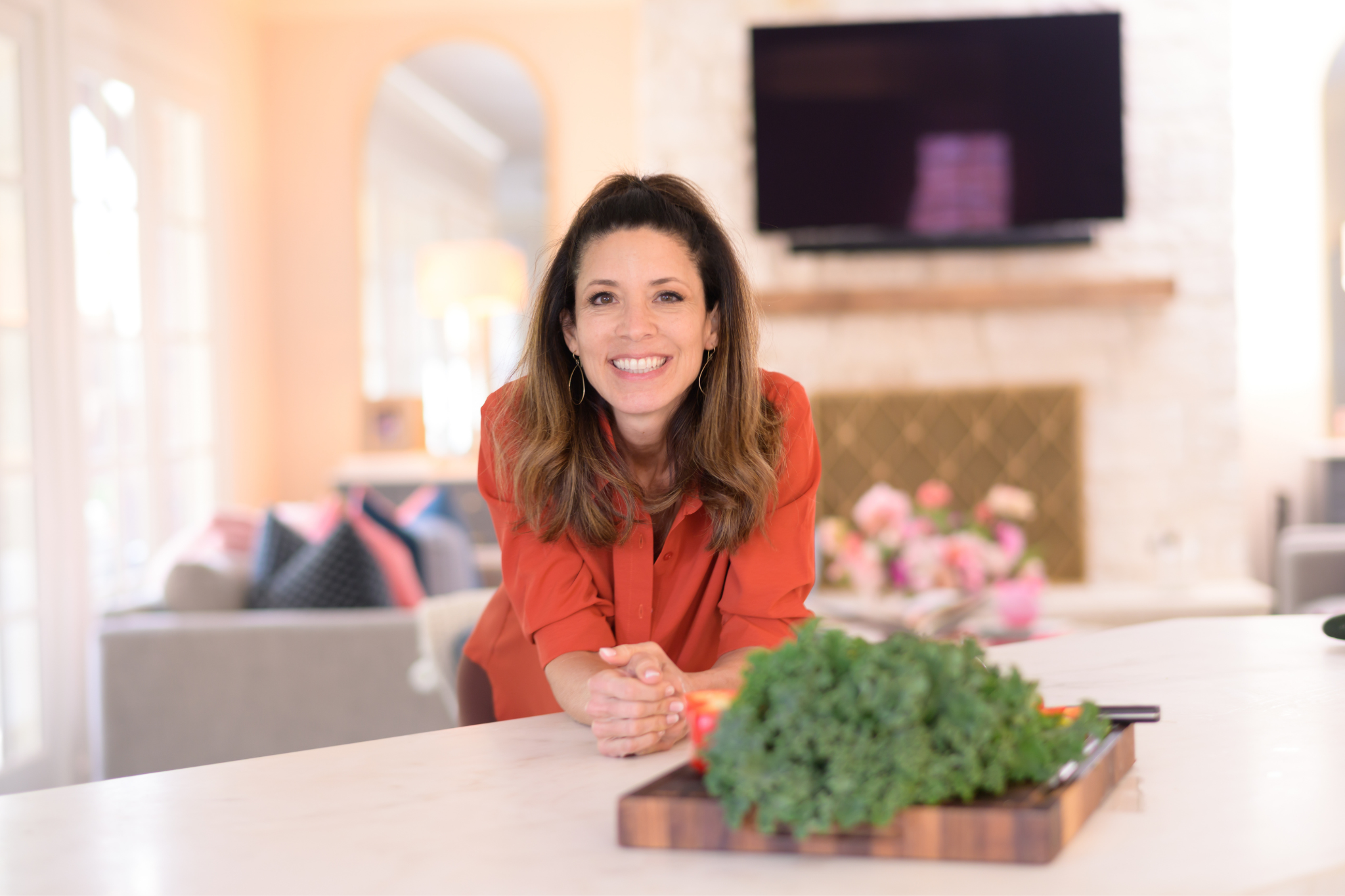
My philosophy is simple: support the body first, then build the habits.
We start with what's on your plate — not what's off it. Protein, fiber-rich carbs, healthy fats, and meals that help support steadier blood sugar, fewer energy crashes, and less reliance on willpower.
Because when your energy stops dropping out from under you at 3pm or 5pm, every other change starts to feel more possible.
Around the food, we look at the patterns underneath: the evening crash, the snack spiral, the glass of wine that became the way to shut the day off, the restriction-rebellion cycle, or the stress that keeps your habits from holding.
I bring the education, structure, and support. You bring your real life. Together, we build something simple enough to actually do — and steady enough to become yours.
I'm a coach, not a clinician. I don't diagnose, prescribe, treat medical conditions, or replace your doctor. My role is to support you with the week-to-week guidance, accountability, and behavior change that busy medical visits often don't have time for.
If you'd like to see whether this is a fit, the next step is a 20-minute call — free, simple, and pressure-free.
The way you fuel your body can be one of the most powerful tools you have for energy, mood, cravings, and metabolism. We use food on purpose — not as a reward, a restriction, or something to “earn.”
When your meals support steadier blood sugar, cravings can feel less urgent, energy crashes can become less intense, and the evening pull toward snacks or wine often starts to make more sense.
You don't need another reset, cleanse or thirty‑day sprint. You need small, intentional habits you can carry through a real week.
The fastest way to know if this is a fit is to talk. I'll ask about what's going on, you'll ask whatever you want, and we'll both come away with a clear answer.
Book a free 20‑minute call →